Most of the stuff we do everyday is based on some sort of assumptions, today, let’s take a look at whether or not it’s good to assume.
“I suppose it is tempting, if the only tool you have is a hammer, to treat everything as if it were a nail.”
― Abraham H. Maslow
Very recently, I had to take a trip to my father’s native place. I had never been there before, and I had to go there alone. I have traveled alone for the past year, but this time, it was different. I had been in the comfort of my home for the past 3 months, and I had no intention of discontinuing that comfort. But, like most of the times, the kid inside me prevailed when I was asked by my father to go, because it was important. In the moment, I felt that this was going to be a disaster, I mean the place was not known to me, neither did I know anyone there. I left home, with a grumpy demeanor, and drove.
What awaited me was not a surprise. The place was not as comfortable as my home is (duh, which place is as comfortable as home, but you get the point, right?). The accommodation and food were okay, to say the least. But on day 2, I came across some things that made my trip completely worth it. Let me show you.


These are only three tiny representations of the rich experiences I had on that day. The walk I took on that day during that one particular hour made all my discomfort completely worth it. Also, I got to have a solo road trip, but that’s one of my personal favorite things, which is besides the point. The point is, the trip turned out better than I expected it to be. Now the question arises, why did I expect it to be bad?
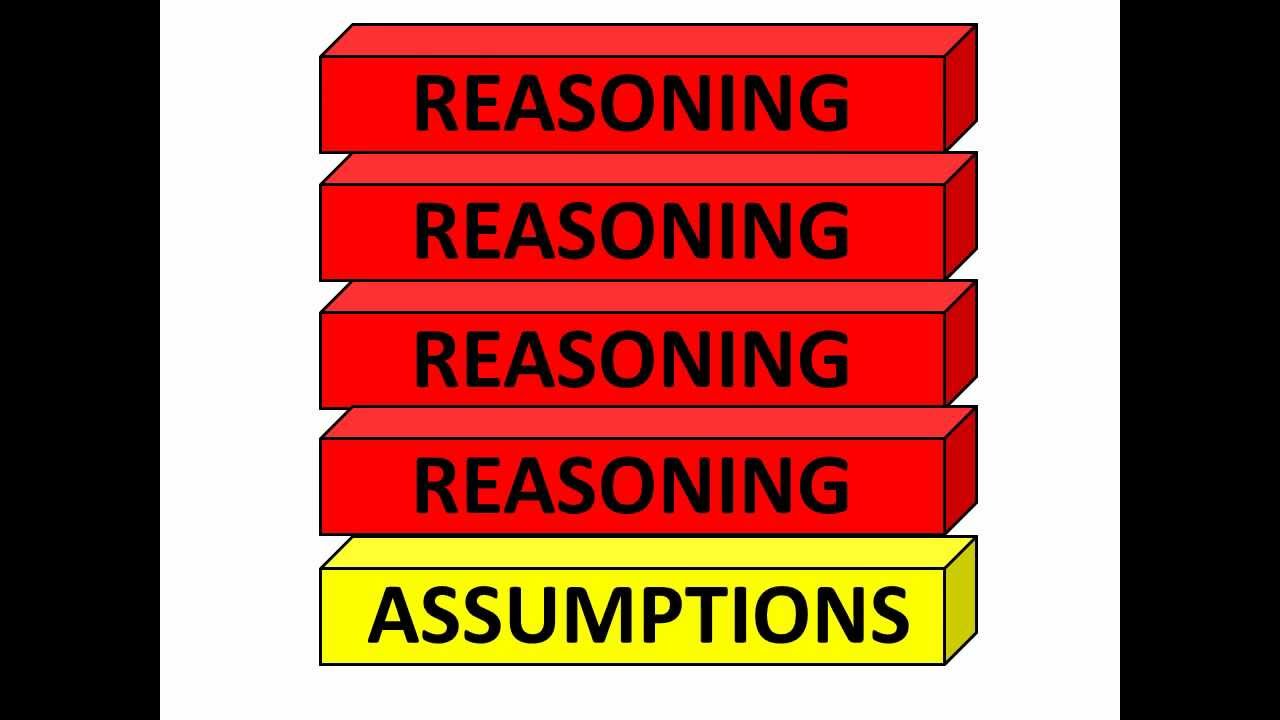
I expected the trip to be bad because I assumed the place I was going to was not very good. I made an assumption. Assumptions are a powerful tool that we use every single day, sometimes to our advantage, sometimes not so much. Let’s visualize this with a little example. There is a person in our class who doesn’t look very friendly. He sits alone, eats alone and stays alone for the 8-hour period of the day we see him. Also, we’ve heard from someone he is not a friendly person and prefers to stay alone. So, we can safely assume that we shouldn’t waste our very valuable energy by talking to the person or even making an effort to befriend him.
Like all my other articles (thanks a lot for reading them if you have), let’s try to see this from another angle. We’ve heard the saying “Never judge a book by its cover“. Very often we use this saying in our daily conversations, most of the times while defending ourselves, or trying to explain an action we took or a decision we made. Even so, we tend to make this mistake of judging someone way too early, or with way less information than required. What if the person we talked about in the previous paragraph was just shy? What if he was insecure about talking to someone because he thinks he’s not very smart? There could be a sea of reasons behind this behavior he exhibits. But why did we take that assumption, bar the cue from the external opinion received?
There is a habit that our minds tend to take. That habit is, our minds tend to believe only whatever they want to believe. We don’t always like to see our assumptions through. Give this a try sometime, we aren’t generally the best at reasoning with our own minds. Whenever we try to tilt things over their heads, our tendency to go with our first instinct comes into play. “You gotta believe whatever your gut says son”. No, you don’t. Just because your boyfriend/girlfriend hasn’t responded to your text in an hour doesn’t mean he’s cheating on you. Maybe, just maybe they are in the toilet, or taking a bath, or something that is more plausible than them cheating on you instead of not replying to your text.
Well, jokes apart, there is a lot of harm that can be caused by assuming stuff based off nothing. If you have the information to assume something, great, go on assuming. But many a times during our lives, we assume a lot of things which are utterly baseless. A student may not attempt an exam just because of the assumption that he is not ready. An interviewer may reject an application just because he had a “gut-feeling” that the candidate wasn’t worthy. I am not asking you not to follow your instincts, no. Please do not take this out of context. What I’m trying to convey here is, try to contemplate and remove all the biases before making any decision. Objectivity is the best practice to follow, and assuming kills objectivity.
So, the next time your partner isn’t responding, instead of sending a “Why are you ignoring me?” text, try to wait for their explanation (unless they are cheating on you, in which case you deserve better and you should challenge them to an MMA match). Instead of assuming that you’re not ready, go and give that exam, even if you don’t clear it, at least you’ll get an idea as to where you stand among all the competitors. Instead of going with your “gut-feeling”, take an objective interview of the candidate, which will give you a better picture as to if he/she is actually suited for the position or/not.
Thanks a lot for reading. I hope you enjoyed it, and if you did, please give it a like, and show your appreciation in the comments section. Also check out my other articles, if you haven’t already. Thanks again, and until next time, peace!


 Facets of Life
Leave a comment