Hurdles don’t only trouble Olympic athletes. Call them snags, troubles, problems, difficulties; we all face some sort of hurdles everyday, be it on a personal, professional or financial front. However, there seems to be an interesting pattern that when it comes to us dealing with these hurdles. Let’s take a stab at deciphering this omnipresent facet of life.
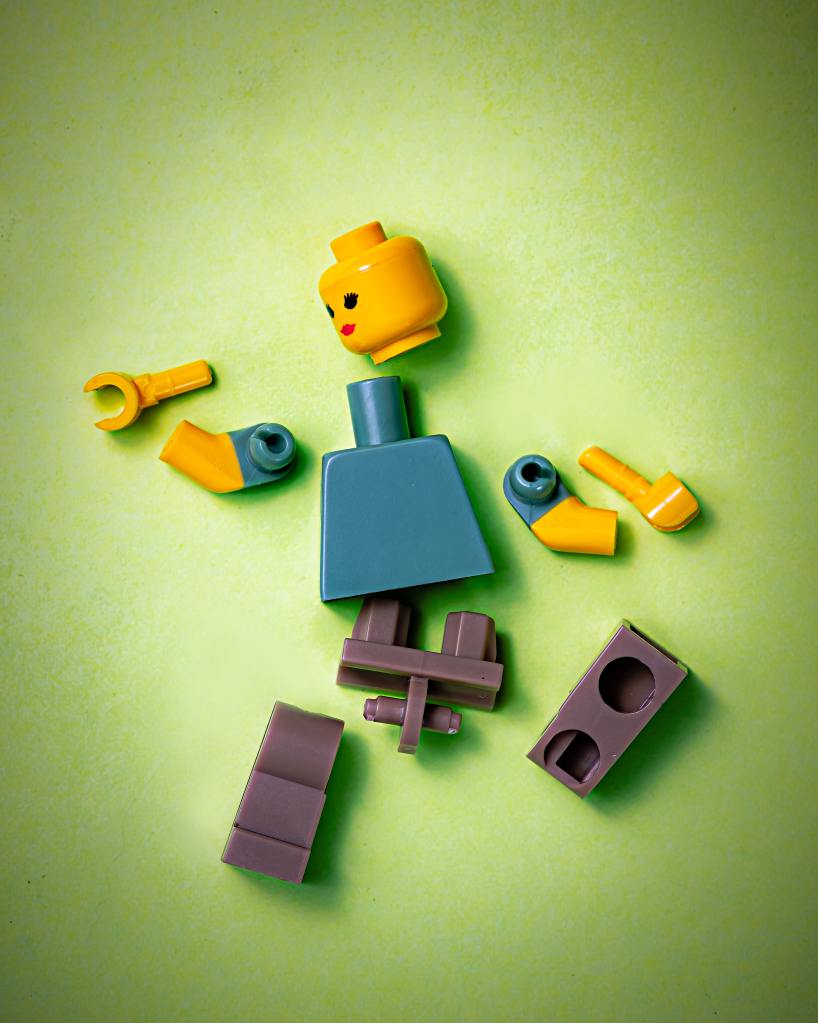
“The best way out is always through.”
Robert Frost
It might seem like the distant past already, but there was a time when we had to leave our houses every single day to go to work and earn our livelihoods. We had to wake up everyday, brush our teeth, take showers and get out of the comfort of our houses into the hustle and bustle of the urban establishments to make money and provide for ourselves and our families.
That seemed to have it’s own hurdles. And now, when we are required to roll out of bed and join our first call of the day at 9 AM, we have our own set of hurdles that bother us. Now these hurdles have natures that cannot be noted in less than 1000 words, so I am not going to endeavor going that, but there is one very important aspect of hurdles (or problems) that I want to highlight today.
The closer we are to a problem, the more likely we are to misinterpret it.
There are a few reasons we do this, and I have tried capturing a couple of them in this article.
“Involvement means information, right?”
Show of hands, how many of us have said something similar to the following statement:
“You don’t know everything about my difficulty, you won’t understand”.

Well, many a times, the other person does not need to know everything about our little complication to guide us out of it. And even when we do have a lot of information about it, we continue to collect more information and possible solutions by asking our friends and looking on Webmd (Okay, please don’t look for a solution for your physical ailments on Webmd, this was a joke).
And when these very “reliable” sources of solutions give us one, we again say, “You don’t know everything about my problem, you won’t understand”.
Essentially, we go into paralysis by analysis.
In our daily lives, we operate on the fact that we have more information than anyone about a certain trouble, so, whatever we are deciding or not deciding must be 100% correct. Seems completely logical, doesn’t it?
However, have you ever heard the idiom, a player on the pitch cannot see the entire field placement, but a spectator can?
(Okay this idiom wasn’t published in a textbook, but I have heard people say that.)
Turns out we are more wrong than we would like to believe (I know this from experience, just don’t ask me how, and don’t ask my friends either). We succumb to a form of information bias, wherein we believe the more we know about the problem, the better it is for our decision making, no matter how irrelevant the information is.
“That ain’t happening to me”
Think about this, we are living in a world that is dealing with a pandemic for the past two and a half years. It has caught up with almost all of us in this period, with many of us multiple times. However, a lot of us still “brand” many symptoms often times as “seasonal changes”, “exposure to cold” or “just the side effects of last night’s milkshake”.

The issue with this is, there are many things we would like not to happen to us. Consequently, we tend to deny things we wouldn’t want to accept. I am certain you must have heard/said/believed this statement from an insurance agent at some point of time.
“This wouldn’t happen to us, our situation is different because <fill in the blanks>”
But the reality is, we are just as susceptible to these bad events as the next guy. The underlying principle here? Normalcy Bias. Normalcy bias makes us minimize the effects of possible threats which would have rather large impacts on other people. Things like a market crash, a natural calamity and an ongoing global pandemic come to mind.
Now are these the only two reasons to why we might misinterpret a problem? No. There are many, many ways we might err in making a judgement, but the point here is to make sure not to succumb to these reasons, because these two cause a very crippling outcome. Indecision. And indecision when a decision is needed causes more damage than making the wrong decision.
“So, what should we do when faced with a hurdle? Make the wrong decision”, again, no. But what we almost always fail to realize is that time and patience are our best friends, even when we think they are not (I wrote about this in another one of my articles. Read “Procrastination“). Combining these friends with a little awareness enables us to solve any and every problem thrown to us.
If you stuck around this far, thank you for your time. If you enjoyed this, share this with one friend of yours whom you think will benefit from reading this. Thanks for reading, and I will see you in the next one.

 Facets of Life
Leave a comment