Human beings crave certainty more than anything. Everyone does somethings everyday, which we fondly call Routines. Some of these activities are important for hygiene reasons, like brushing teeth, taking a shower (well this one isn’t one all of us do daily, but you get it) etc. Then there are others which are important for our sustenance in physical and/or financial senses; things like going for work, eating food and so on.
But there is a third group, which we perform because we have a sheer liking for them. These are things that bring a smile to our face every time we do them. And interestingly enough, these differ from person to person, so there is no dearth of these activities to do in the world. These are fondly called hobbies or passions (if you’re very chic and artistic with your vocabulary)
Some of us like singing, some like dancing, some like reading and so on. Per the nature, these should be the easiest to stick with. But is that actually the case? Let’s try to decipher this interesting facet of life today.
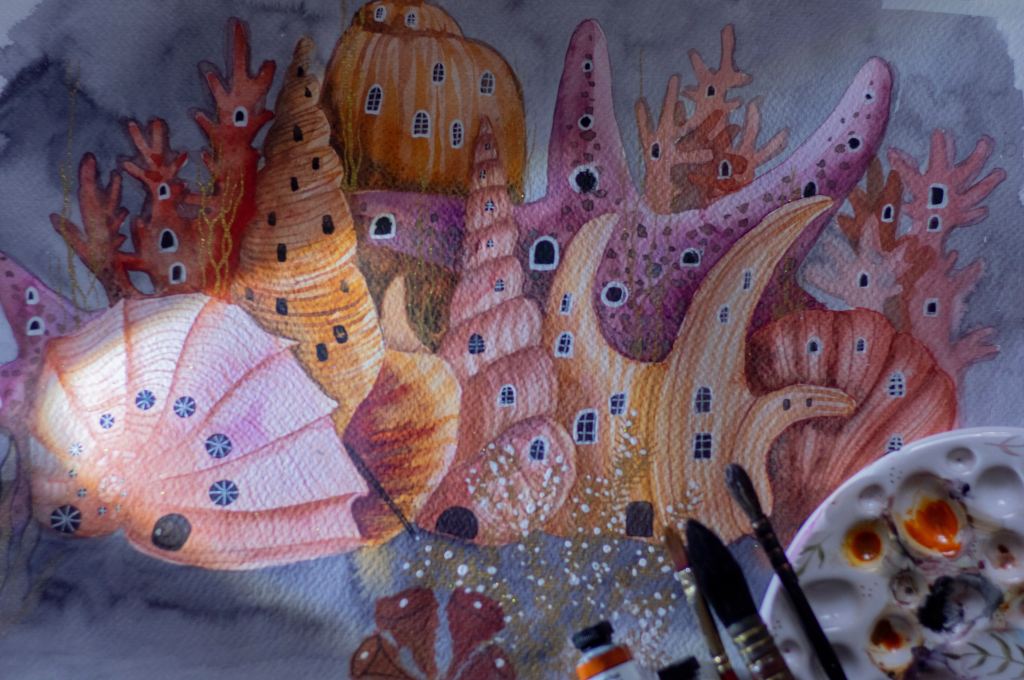
Life, as we know it
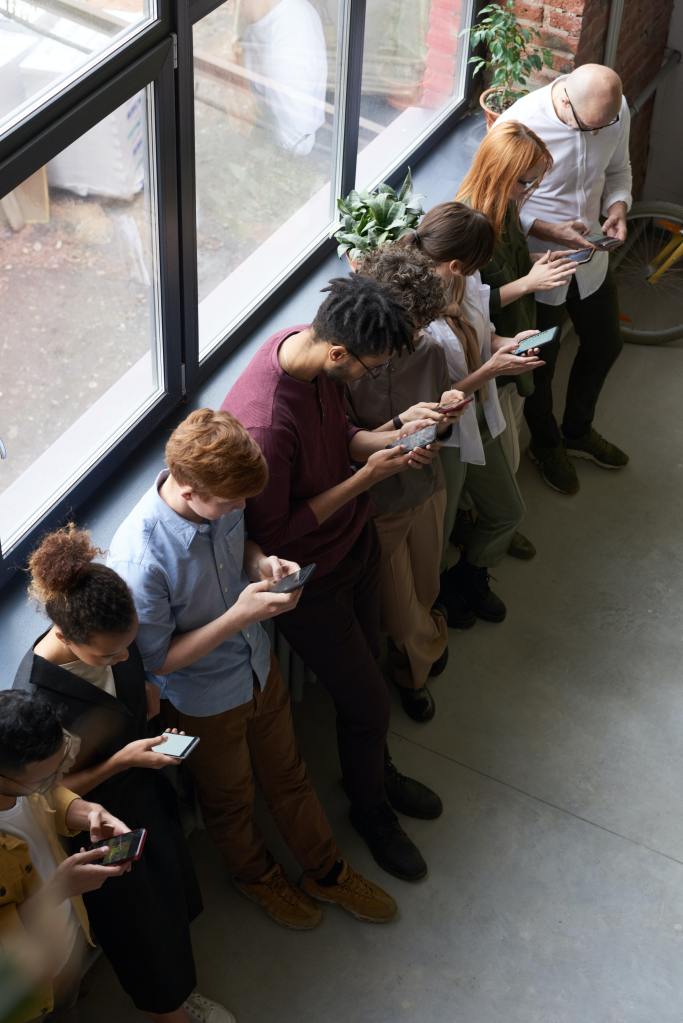
So far, we have talked about how we have activities of different categories. But, we have been generalizing everything as just that, activities. What we haven’t considered is the weightage we assign to these activities and the moments in time in our lives when we do these. From here on, I will not take into consideration the hygiene related activities because there are pretty obviously important (just how I didn’t take showers into consideration as frequently as my parents would have liked me to).
One of these categories will hold the highest weightage for everyone of us. For a large percentage of us, it’s work. There are a bunch of arguments as to why people assign the highest weightage to their occupation ranging all the way from “This is how I ensure that my family and I lead this life” to “What else is there to do?”.
Work, with this additional weightage, becomes occupation, which we find very easy to confuse with identity. How many of us are guilty of introducing ourselves as our current designation? I am for sure guilty of this. There have been times where I was supposed to (or even wanted to) do something else, but I spent more time tied to my work laptop clattering away at the keyboard like a maniac, till the time someone came up to me and gave me the idea of what exactly the time was.
I am not saying this is a good or bad thing, and this isn’t the only category of activities that people spend a lot of time doing. But the whole purpose of this argument is that being super engrossed in any one of these categories leads to us being able to easily morph our sense of identity into something only associated with that category.
And with this identity confusion, it becomes too easy to not pay attention to the other facets of life. And if there is one truth of life I have come to accept is that time is an incredibly finite resource. No matter what you do with it, once it’s gone, it’s gone. So, we tend to use elimination to create more time for the things that we’d want to do (or so we think).
In today’s world, the category that gets the first kick just so happens to be the fun category. But why is that the case?
The short and sweet life of “passions”

By a show of hands, how many of us today actually have real hobbies or passions? I’m not talking about browsing the internet or watching movies. I’m talking about real hobbies, something we actually have to do? Things like going for a walk, playing a sport, gardening and others of the sort.
Per a study by Ask your Target Market in 2016, 66% of the subjects wished they had more time to pursue their hobbies.
Whatever happens to our hobbies and passions?
I’ve come to understand the lifecycle of a hobby for a general person.
It starts by being exactly how we define hobbies, something we do for fun. Since we have fun with our hobbies, we tend to spend a lot more time with them. Then, through no fault of our own, we grow up (I know, how unfair), and we are made cognizant of the fact that not all of life can be spent having fun, and we should become more serious and mindful about what we spend our time doing.
Thus, we spend more time doing the practical things, the jobs, the errands, the mindless scrolling on social media and so on. Eventually, we start to come up with excuses about why we didn’t follow through with our passion. The purpose of these excuses is to solely dilute the importance our passions have to play in our lives; the adrenaline rush of scoring a clutch basket in a tough game, or the high we get after running the first mile, the dopamine hit of completing completing an article which you’ve been putting off writing for 6 months (this may or may not be based on real events).
In short,
Life has the potential of becoming a perpetual exercise of diluting what we love doing for what we should be doing.
Before I go any further with this, I just want to put this out there. I am NOT in favor of leaving steady employment just because you don’t feel like doing your day job, especially when the alternative is doing nothing at all. There are a whole bunch of activities that we have to do that we don’t feel like doing, and in no way is it practical to quit your day job solely on the whim of “I want to pursue my passion”.
As with a lot of my articles, I’m not preaching anything, but just trying to make you think. Today’s daunting question is Is there an alternative? Is there any other way we could lead our lives to make it more enjoyable and interesting?
If you stuck around this far, thank you for your time. If you enjoyed this, share this with one friend of yours whom you think will benefit from reading this. Thanks for reading, and I will see you in the next one.

 Facets of Life
Leave a comment