The world has gained so much speed, we have become used to everything happening within the blink of an eye. “Time is of the essence” is one of the most frequently heard phrases in the business world, and normal life as well.
But is speed really the best way to approach life? Let’s look at deciphering this rapid facet of life.
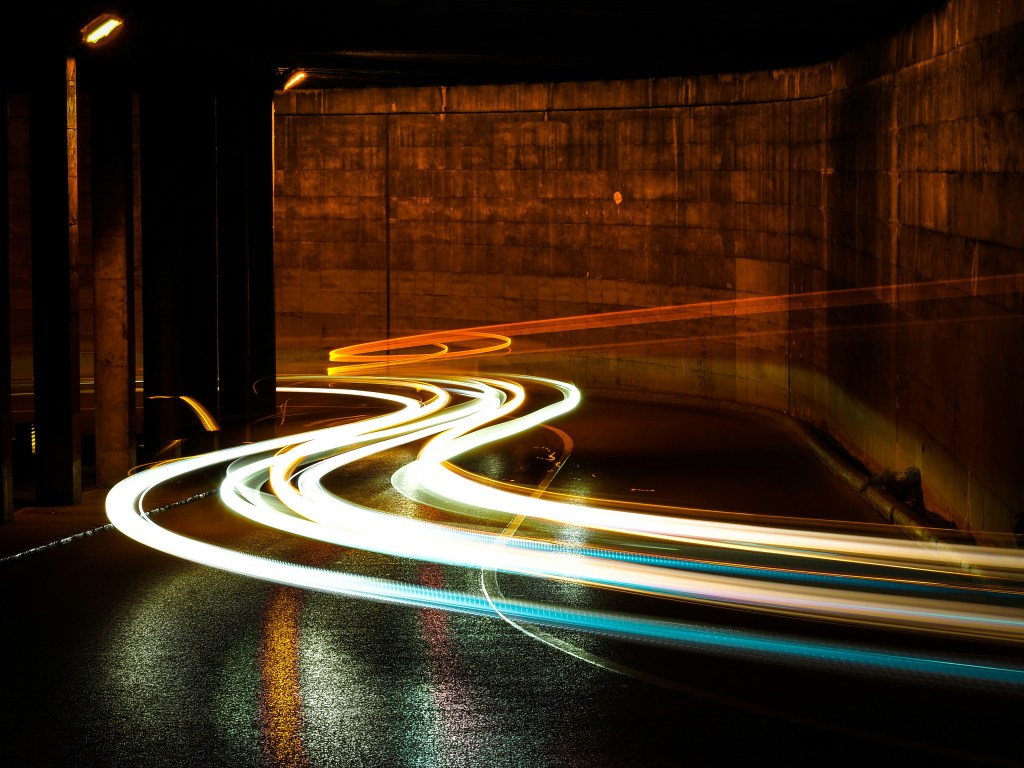
Nature does not hurry, yet everything is accomplished.
– Lao Tzu
It almost feels like the world is geared towards moving as fast as possible. Every new invention coming out intends to help the human race accomplish something quicker than we ever have. And it shows, when we compare the world today with the world we lived in say, ten years ago.
Let’s look at some of the most common place activities we used to do back then, and how we do them now.
Buying groceries used to be a weekly endeavour. Families used to visit local markets to purchase groceries after carefully examining each item that went in the shopping bag. Picture the scenario: children running around, while their mothers moved from shop to shop in an effort to buy the best produce for their families.
Then came the miracle of technology, which made groceries available at fingertips, and that too at an alarmingly fast pace. One of the leading quick commerce apps in India claims that on a normal day, they are able to deliver orders within ten minutes of receiving them. And, you can do it at the comfort of your home.
Similarly, receiving information & news is an industry that has been completely disrupted because of the advent of technology. Earlier, news was only an hourly program that was broadcasted on television.
And can you imagine, there was one day, specifically, 18th April 1930, when the script for that day’s 8:45 pm BBC news bulletin was: “There is no news.” followed by 15 minutes of piano music? Well, it happened.
Cut to today, when we have new channels running 24 hours a day, 7 days a week, 365 days a year.
Now whether that news is worth spending time on or not is very debatable, but I digress.
Not only that, news is also not immune to smart phone technology’s impact. You can choose which news to watch, through which medium (written, audible, visual) and at what time of the day. In a way, we should have more control over the way we consume news.
Now whether or not we have, or exercise that control is very debatable, but I digress.
So you see, the world is more conducive to speed, and consequently, comfort and control.
Wait, what do I hear? The world more depressed than ever? People feel they are not in control of their lives? Well, that can’t be, isn’t that the opposite of what the world enables? Didn’t we just go through damning evidence proving just that?
Well, it turns out, the contrary of the supposed benefits of the speed and intensity are playing, while the benefits sit on the sidelines, waiting to be substituted in to the game of life.
The Flip Side of Speed
It appears that speed isn’t the most optimum way of accomplishing things.
Let’s take the examples we considered earlier in this article, and understand their flip side.
Grocery shopping, for example, was an exercise the family used to do together, resultantly, they spent more time together, and identified good quality products to ensure a healthy, home cooked meal.
Now this example can be extrapolated to any activities that a family could do together, and have been replaced by a technologically enabled, quicker and so called “efficient” way.
Similarly, news is now available at a breakneck pace, and in the news world, it no longer really matters whether the information being shared is correct or not, you just need to be the first to present it, to be looked at as a dependable source.
We used to consider this a bias named primacy effect, but now, you’re better if you’re first, regardless of whether you are right.
With modern algorithms being the way they are, you are more likely to encounter confirmatory pieces of content to support your acceptance of the information you came across first. This way, there remains no room for research, and we as a consumer suffer due to not having the complete picture in front of us.
Studies show that people who consume news through a newspaper or any other slower media, after a certain period of the occurrence are more likely to get the most amount of correct information about the event. Additionally, they are more likely to research about the event and gather more, contradictory information to draw the best possible inferences.
Speed is not all there is to life.
Slowing down gives you perspective, which leads to better decision making.
If you stuck around this far, thank you for your time. If you enjoyed this, share this with one friend of yours whom you think will benefit from reading this. Thanks for reading, and I will see you in the next one. 🙂

 Facets of Life
Leave a comment