We live in a world that does more than ever. And consequently, needs more relaxation than ever. Interestingly, the world today provides more avenues of relaxation than ever.
Or does it really? Today, let’s investigate this very entertaining facet of life.
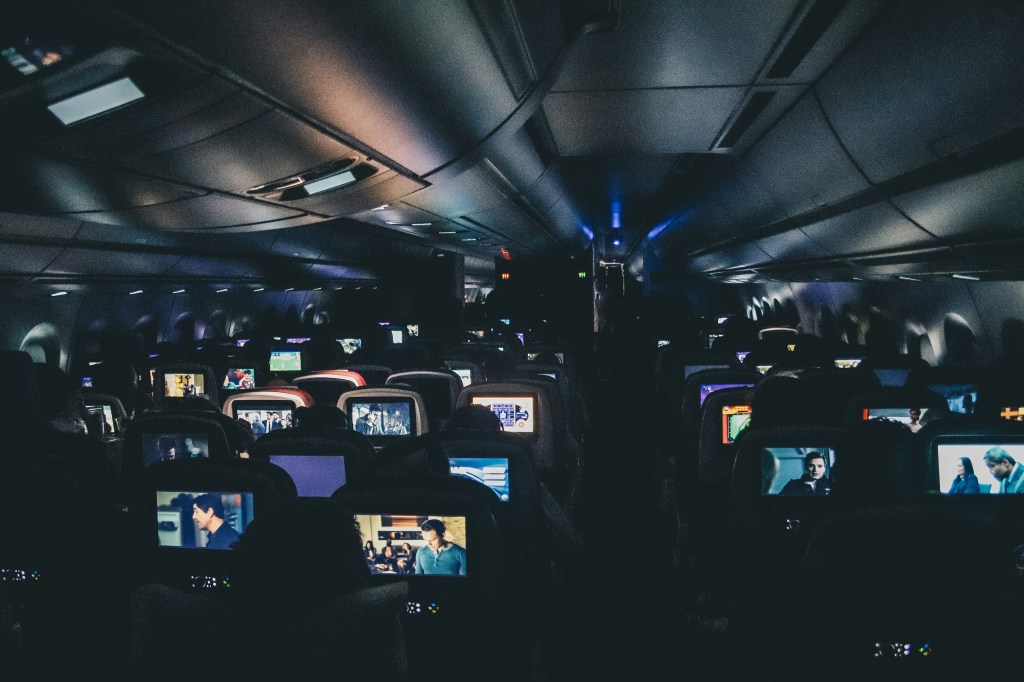
We’re plugged in 24 hours a day now. We’re all part of one big machine, whether we are conscious of that or not. And if we can’t unplug from that machine, eventually we’re going to become mindless.
– Alan Lightman
In one of my previous articles, Intention, we discussed how we live the busiest lives we have ever lived. People have been working extra hours, extra days for weeks on end. According to recent statistics, 28% of full time US employees worked on the weekend on a regular basis.
Now, given all of the work we have been doing, it is only logical that we relax more, am I right? And the innumerable avenues of entertainment we have available should make it extremely easy. But is that really the case?
Earlier, we used to equate entertainment with a hobby or a vocation. Being a male, most of my friends and myself had at least one athletic hobby. A number of my friends loved playing football, I relished playing basketball, and everyone in India basically knew how to play cricket before they were in their mothers’ wombs.
There was another component though, one I feel was still sort of making its way into our lives.
Television.
Television was a very loosely integrated commodity to a child’s endless routine. After numerous classes, tuitions and sports lessons, we got to enjoy TV time. After hours of labouring at school, the clock would eventually strike 5 PM, for Pokemon to entertain the crap out of me.
Over a period of time, our lives became more mentally demanding, and we began to inculcate television as the primary unwinding mechanism. In our young ages it was cartoons, then we graduated to young adult sitcoms, sports telecasts and then movies, documentaries and every other format we so fondly enjoy.
TV, or at least a modified version of it, has become a central component of social groups. We have OTT subscriptions, that can provide entertainment to us at our beck and call. Additionally, our cellphones have evolved into “smart” phones, that give us to capability to call or message anyone at a moment’s notice.
Apart from this, the static-ness of the television has also turned mobile (no pun intended). Our smart phones also ensure that we have the capability to summon an distracting, colourful (or black & white) film for you to pass the time.
And since phones have become such addictive devices, they consume a large portion of our days. An average cell phone user spends 4 hours and 37 minutes on their phone per day. Roll it up to a month, it is about 6 days per month. 6 days, that is more than a working week.
Tracking the nature of our time spending habits, we can clearly note that our habits have taken a turn from being based in the real world to the digital world, not only in our work lives, but our hobbies as well.
Interestingly, most of the time spent, specifically in the hobbies or entertainment realm, we are doing less, and “consuming more”.
Ask someone for a hobby, and they will respond by saying “I used to like something, but I don’t do that anymore”. We are all guilty of this, making statements like “Oh, my day is just too packed with meetings” or “My commute drains me of every ounce of energy I have”.
Ask them why, and they will respond by saying that time is no longer an ally.
Didn’t we just realise that we are spending a week every month on our cell phones? Now I can hear arguments that “Hey, I work on my phone as well”. Well, I have a counter for that also. It appears that the average cell phone user spends 2 hours and 20 minutes on social media. That’s almost 3 days a month.
So, do we really not have the time to pursue hobbies? And mind you, I haven’t even taken into account stats about how disconnected or unhappy today’s world is.
I was reading Digital Minimalism, by Cal Newport, which reminded me of a very underrated fact. The mind doesn’t need rest, it needs change, except for sleep.
Therefore,
Relaxation doesn’t mean turning your brain off. It means switching to a more activity.
This isn’t meant to make people feel bad about how they are spending their time. Rather, it is meant as a reminder to people to rediscover activities that you have maybe lost touch with. 🙂
If you stuck around this far, thank you for your time. If you enjoyed this, share this with one friend of yours whom you think will benefit from reading this. Thanks for reading, and I will see you in the next one. 🙂

 Facets of Life
Leave a comment