In this fast-paced world where everybody is chasing the highs of success, we tend to encounter situations that challenge us emotionally and mentally. Whether it’s a stressful deadline, a difficult conversation, or an unexpected problem, how we handle these moments shapes our experiences and relationships. One key distinction in navigating these challenges is the difference between responding and reacting.
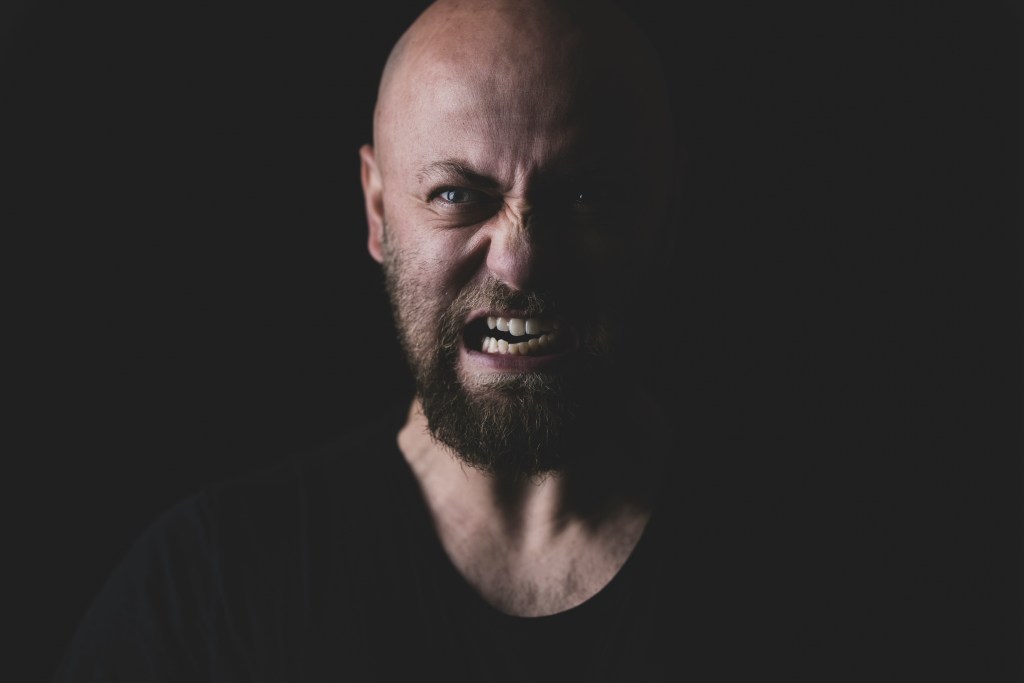
“The difference between responding and reacting is choice. When you are reacting, they are in control. When you respond, you are. Learn.”
— Henry Cloud
When a person is too emotionally involved in a situation, the first thought which crosses their mind is to protect his own boundaries and the best way to do it is to always be in a flight-or-fight mode which often leads to a reaction rather than a thoughtful response.
Just to give a context, a Reaction is an immediate, often impulsive action driven by emotions. It’s a reflexive behaviour that typically occurs when we’re caught off guard or in high-stress situations. When we react, we allow our emotions—such as anger, fear, or frustration—to dictate our actions, often without fully considering the consequences.
Response, on the other hand, is a thoughtful, measured approach. It involves taking a moment to assess the situation, consider various perspectives, and choose a course of action that aligns with our values and long-term goals. When we respond, we exercise emotional control and mindfulness, which allows us to handle challenges in a way that promotes resolution rather than conflict.
The dire need to talk about this actually relates to another article which was recently published known as “detachment”, where the author talks about taking a step back and detaching oneself from a situation to gain perspective before making any sort of decisions. This highly correlates to reacting vs responding where if a person chooses to take a second or a pause before responding to the situation, it then gives time for the rational brain to catch up with the emotions which will eventually lead to improved relationships with others.
When emotions run high, our ability to think clearly diminishes. The part of the brain responsible for logical decision-making, the prefrontal cortex, becomes overshadowed by the emotional brain, which is why reactions can feel automatic and uncontrollable.
However, while reacting is natural, it isn’t always helpful. Recognizing the difference between reacting and responding allows us to take control of our emotions and choose how we want to engage with the world.
There are many articles available out in the internet which will tells us ways to shift from reacting to responding, so I will not be utilizing this space to do so, but the intention behind penning down a few words on this is that
A slight second of misjudgement or in other words, the lack of controlling our emotions can lead to a lifelong misfortune of losing people from our lives.
Yes, I also agree that certain people are meant to be in our lives for a particular period of time only and we should also have the strength to let them go when we feel that the time is right, but that does not give us the liberty to let go of that person by hurting or disrespecting them which could have been avoided if one has taken a slight step-back before reacting to a situation as they deem fit.
All-in-all, I want to end this article with a quote by Viktor E. Frankl which states “Between stimulus and response, there is a space. In that space is our power to choose our response. In our response lies our growth and our freedom.”
– Shalini Mitra


 Facets of Life
Leave a comment