We all have things in life that we are satisfied with, but then again there are those that we would like to tweak a little to make them better. In the glass-half-empty terminology, we are dissatisfied with them. So with this one, we’ll take a look at why this happens, and what, if anything, we can do about it.
“Don’t compare yourself to others. You have no idea what their journey is all about.”
-Regina Brett
Technically, we are all students in this school called life. But for those who think my previous statement is way too philosophical for a start, I have an alternate one. We have all been students at some point in our lives. Some of us still are. There are multiple “facets” of student life; lectures, notes, quizzes, sleepless nights tremendous amounts of pressure just to name a few. But the most important and probably the most dreaded (and the cause) of them all is tests. Great people like Thomas Edison undermined the value of tests by saying glorious quotes like “… a single piece of paper cannot decide my future”. However, with all the glory of this quote, all the modern day students realize that the single piece may not be capable enough to decide our distant future, but it sure as shoot determines our instant future and at times present. The influence is not limited to just future in the conventional sense, but also the physical health and well being of said students (especially in India, feel free to correct me if I’m wrong 😉 ).
Since I have recently become a student, I have faced all of these, including a few tests. But if we come to think of it, at times we don’t actually fear the test, we fear the results. An alphabet, or a number which practically sets the tone for the rest of the week. We ponder and ponder and ponder on the possible outcomes, “It’ll be incredible if I pass!” or “If I fail this time, I’m not even sure what I’ll do to myself!”. These two are still fine. But one that occurs to a lot of us is “he/she scored more than I did”. And this one is actually a really pressing point. There are jokes made these days to the lines of “It’s okay if I fail, as long as my best friend fails with me” (Way to complement Sir Edison).
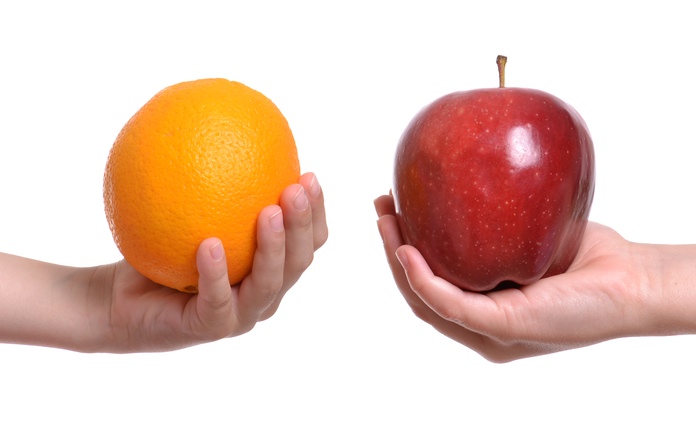
At a later stage this stops bothering us in the student life (because we are so immune to the beatings), but this “quality” is an inherent one to the human nature. Now arises the question, what gives way for such a question to pop into our heads? Why is it that suddenly it makes more sense to score more than someone than to score good for yourself? The answer is comparisons. Comparison is a phenomenon that has been the yardstick to measure progress for the human existence. For example, we say that we are highly advanced in terms of technology. We are only in a position to say so because the generations before us were at a pedestal lower than we are currently.
But suddenly, it’s not just supporting existence, it’s supporting self-sufficiency, it’s supporting self-satisfaction, it’s supporting self-respect. We are no longer adequate if we are not outperforming someone.
I happen to have a little reasoning behind this behavior of ours. We only feel that we are dissatisfied as long as we think about the exception. Let me explain. Let’s try to think about the last time two people did better than us in any field. I am almost certain that we were okay with a person whom we expected to do better than we did. However, it’s completely unacceptable to have been beaten by someone who in general was not at the victory line before we were.
The issue that persists with this is if there was no exception, i.e. if we had no issues with anyone or if we had issues with everyone who outperforms us it’s okay. But when we differentiate among people on any basis, we have a serious problem. We are making judgments about people on the basis of primacy of information. We are unaware of the amount of midnight oil burnt by this person. We are unaware of the sacrifices he/she made, we are unaware of the amount of hardship he/she went through in order to achieve the said goal. But the only thing we are aware of (or we choose to believe) is “he/she doesn’t deserve it”.
Going a step further, we often spend less time to evaluate our efforts and more time to stay fixated on our shortcomings. What this does is lessen our value in our view, which indirectly affects our peace of mind. If we were to spend more time on figuring out what is it that we could’ve done to better our effort, we would be miles ahead of the so-called competition net time around.
There is a really amazing quote I heard; We buy things that we don’t need, using money we don’t have, to impress people we don’t even know. Why? To compete with people who are doing the same thing. And what causes this? Comparisons. We see people who are doing all the things we mentioned, and we have a competitive feeling, which probes us to match them in every way possible. In no way do I mean that being competitive is wrong. I am an ultra-competitive person myself. But being competitive should not become a reason for us to despise people just because they did better than us. Instead, we should be more competitive, in a way where we make our intention to outdo them the next time you compete. Neither should being competitive come in your way to be happy at all times. Just because you had a setback shouldn’t mean that your self-worth is reduced.
So, let’s try to be more competitive, in a healthy, harmonious and productive way, instead of being in the currently trending “cut-throat” competitive manner.
Thanks a lot for your time and effort to read the whole thing. If you like it, please share it with someone who you think might benefit from reading this. Also, please let me know of any topic you’d like me to write about in the comments section. Until next time, stay awesome and stay happy. 🙂


 Facets of Life
Leave a reply to Adaptability – Facets of life Cancel reply